
Changing Queens In Spring - Does It make A Difference?
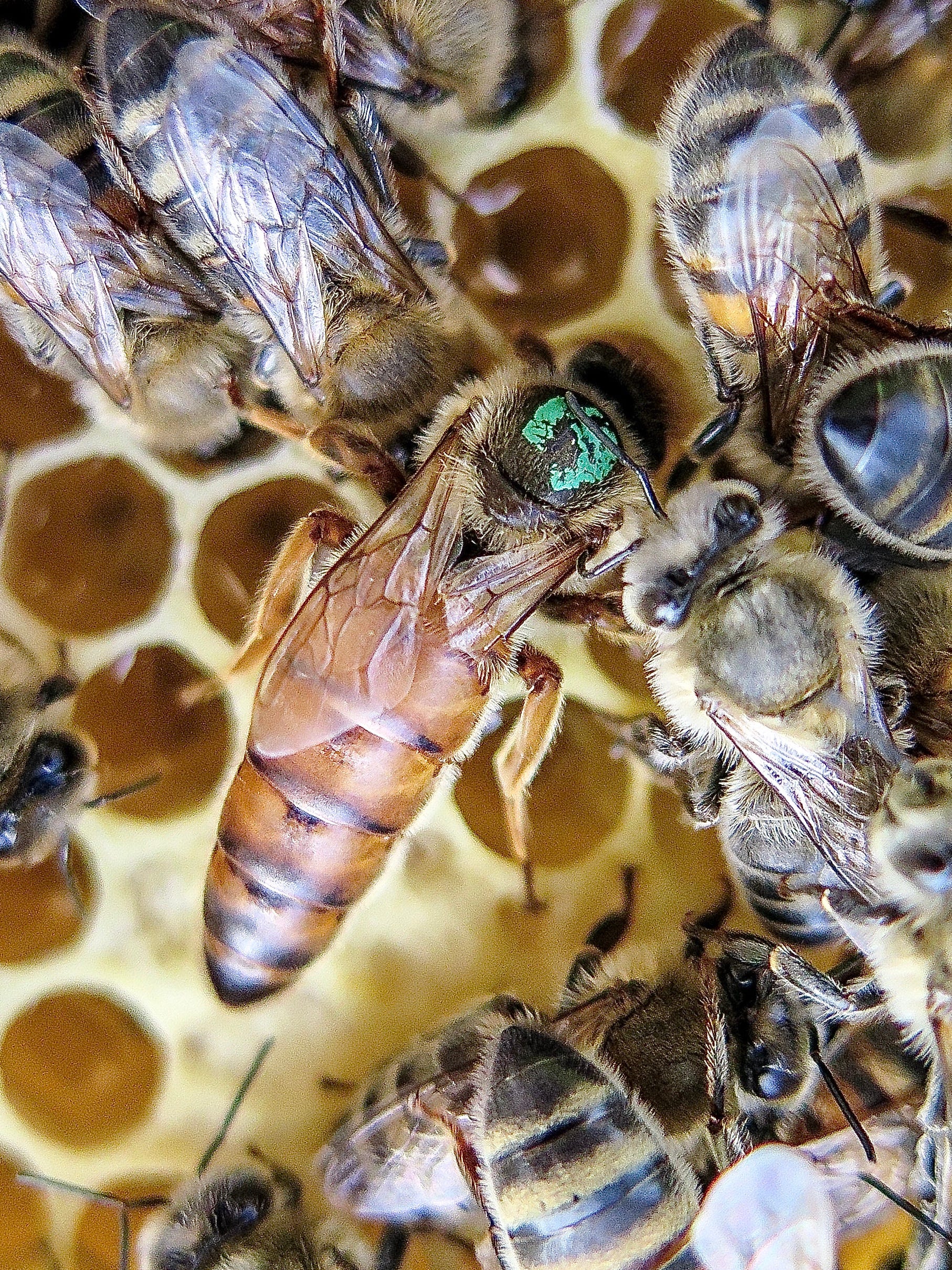
Now that Spring is here we need to take one of the most important decisions of the season. Is now the time to replace your queen?
Welcome to the our blog type newsletter which is sent to all subscribers every two weeks. Paid subscribers will also receive the full newsletter once a month and other benefits.
For many beekeepers — especially beginners — re-queening of a colony can feel like an intimidating intervention. Many take the view of “do nothing and the bees will sort it out” However if we intervene at the right moment, it can be one of the most powerful tools in our hive management toolkit. It is generally accepted that the best time to re-queen is either Spring or Autumn i.e. before or after the main nectar flow.
A Reset For The Colony
When I first started beekeeping over thirty years ago queens would regularly live for four, and in some extreme cases five years. Now, due to many environmental changes a three year old queen is seriously old and many go off the boil in their second season. You can think of Spring re-queening as hitting a refresh button on your hive. Over Winter, even a well-performing queen ages, and her egg-laying capacity begins to decline. In the old days she would get a complete rest from laying but now most queens lay to some extent during the Winter. A queen’s peak productivity typically spans her first two years of life. After that, you may notice erratic brood patterns, increased drone-laying, or simply fewer bees emerging than your colony needs to build up its summer workforce.
Spring is the optimal window to catch this before it becomes a crisis during the peak nectar flow season. In Spring the colony is expanding, temperatures are rising, and there is an abundance of fresh pollen and nectar to support a new queen’s introduction.
Disease Resistance and Genetic Refresh
Many bee diseases — Varroa destructor most notoriously — have a complicated relationship with brood cycles. When you introduce a new queen, there can be a brief interruption in brood production known as a “brood break.” Once again, in the old days this would have happened during the Winter, but now, this is no longer the case. This natural pause starves out some of the Varroa mites, which can only reproduce inside capped brood cells.
Beyond mites, a new queen from reputable stock brings genetic advantages. These often include a good temperament and hygienic behaviour — the colony’s ability to detect and remove diseased or mite-infested larvae. By sourcing a queen bred for hygienic behaviour, temperament, and / or disease resistance, you are upgrading your entire colony’s defence system from the ground up. That single purchase can pay dividends in healthier bees, lower treatment costs, and stronger harvests for the season that is about to start.
Swarm Management
Spring is prime swarming season. A colony headed by an older queen, or one that has become overcrowded through a burst of winter bees, is far more likely to throw a swarm and take half your foraging force with it. Proactively re-queening in early spring reduces the impulse to swarm, because the colony senses that reproduction through queen replacement has already occurred. You keep your bees, your honey crop, and your neighbours’ goodwill — all in one move.
Temperament and Productivity
If your hive has become difficult to work with — aggressive bees at the entrance, stinging at the slightest vibration — the queen’s genetics are almost certainly the cause. Spring re-queening with a calm, productive strain can transform a colony’s character within a single brood cycle, around three weeks. By the time your main nectar flow arrives, you will have a full colony of gentler, more manageable workers. this makes your life and the life of anyone passing by your hive much more pleasant.
To Re-Queen Or Not To Re-Queen That Is the Question
If you have a queen that is less than a year old and she is laying well then it is unlikely you will want to re-queen. However, if your queen is older than two years, lays patchy or irregular brood patterns, you have a colony that was unusually small coming out of winter, or noticeably defensive behaviour then re-queening is usually a good idea.
It requires a bit of a hard heart to remove a living queen from a thriving hive and dispose of her, but responsible management sometimes means making the hard call. Re-queen in spring, and you give your colony the gift of vitality exactly when they need it most.
If you want to know more about bees and beekeeping please visit the course section of our website COURSES
We will shortly have comb honey available (both small and large boxes) If you want to order some then please pop over to our website BUY COMB HONEY and we will update when it is available. Alternatively please email denise@cotswoldbees.co.uk to be put on the waiting list.
Buying A New Queen
It is alway best to get your new queen from a reputable source. They are not cheap, but are well worth the investment. Buy from someone with a reputation for the trait or traits you require. This will normally be calm, productive, and hygienic. We love Buckfast bees here at Cotswold Bees but other strains are available.
Finally, A Request From Us Please
These blogs are sent to all subscribers free of charge, but if you would like to support us and make a contribution toward the costs of producing them please sign up for a monthly or annual paid subscription. It costs less than a couple of coffees per month and you can unsubscribe at any time. Paid subscribers also get discounts on the price of online courses and a full newsletter every month. Thank You