
Preparing For The New Season Five Things To Do Now
The weather may well still be unpleasant but those Spring and Summer days are not too far away and we need to get ourselves and our bees ready. Heres' five things to do now.

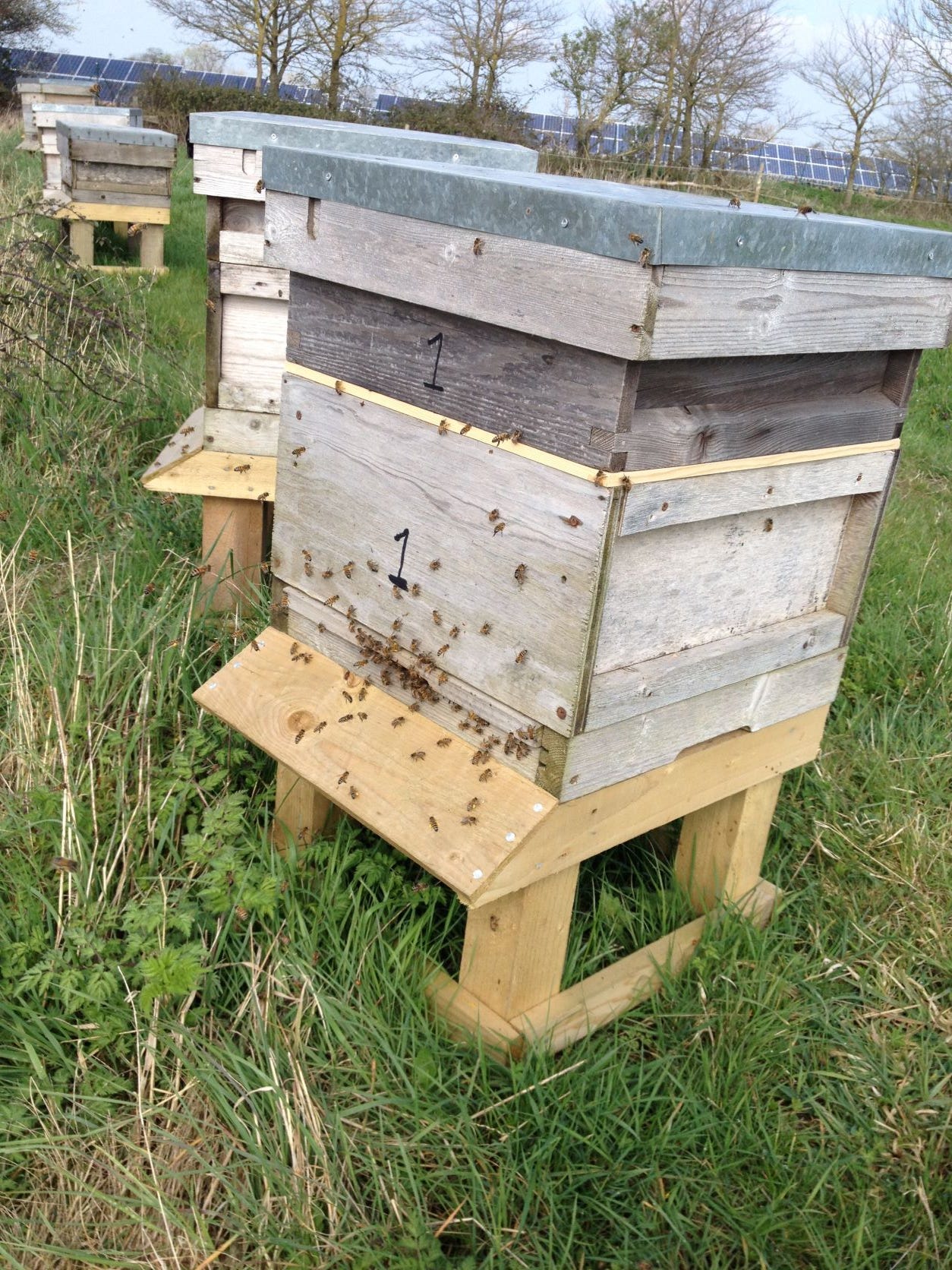
1. Make Sure Your Colony Survives
As usual it has been a strange Winter. A couple of days ago the bees in the garden apiary were flying as if it were a Spring day, this morning the forecast is for rain, possibly sleet and low temperatures. All of this means our bees will be getting through stores. My method of checking they have enough to eat is to remove the roof and crown board and if they are short of stores in the super (or if I am in doubt at all) then I give them a block of fondant. Always feed fondant at this time of year and not sugar syrup as the syrup can simulate a nectar flow and stimulate the queen to start laying.
You may also want to ensure any non temperature based varroa treatments are up to date.
2. Check Your Equipment
We are fortunate in that we have a hobby which has a lot of long lasting equipment, and that is especially true if you use cedar hives, but nothing lasts forever. Check stored supers for any signs of wear and replace any frames that are past their best. It’s a good time to check for wax moth damage as well.
For equipment that is out in the field it is essential that the bees are secure, and so check for any holes or gaps in hives and also remember that hive stands can deteriorate over time. Now is when your hives are probably at their least heavy and so if you need to upgrade stands do it before it causes major problems if one collapses during the season.
3. Move Hives
Whist we are on the subject of hives being at their lightest at this time of year, now is a great time to move any colonies that are in the wrong place. In theory the “three feet or three mile” rule still applies but if you want to move a hive a short distance, wait for a period of about a week with bad weather forecast and then move them. If the bees are kept in by bad weather for a week to ten days they will need to re-orient themselves when they come out and so moves of short distances are possible.
4. Process Wax
The safest place to process the surplus wax from is outside. Wax is incredibly flammable, and whilst it is valuable it’s not worth burning down the kitchen. The problem with processing wax outside when the weather is warmer is the bees. They will find you within minutes and then spend their time stealing honey and making a nuisance of themselves. Choose a cold day when it is dry enough to work outside but cold enough to keep the bees at home in the hive. Once you have processed your wax you can either use it to make candles or other products or, swap it for new foundation using one of the wax exchanges.
5. Stock Up On Kit
Make a list of all the equipment you may require for the new season. Make sure that you include “consumables” such as frames and foundation which are often in short supply once the season gets underway. Also ensure you have everything you need to deal with swarm management and / or colony increases. Once you have your list the next thing to do is, nothing. Wait until it comes up on pre-season offer. Once you get the offer, pounce and buy at reduced prices. You might also go to one of the beekeeping shows where there are often competitive deals. Once the season starts not only will kit be more expensive, it is often in short supply.
NEWS FROM THE APIARY
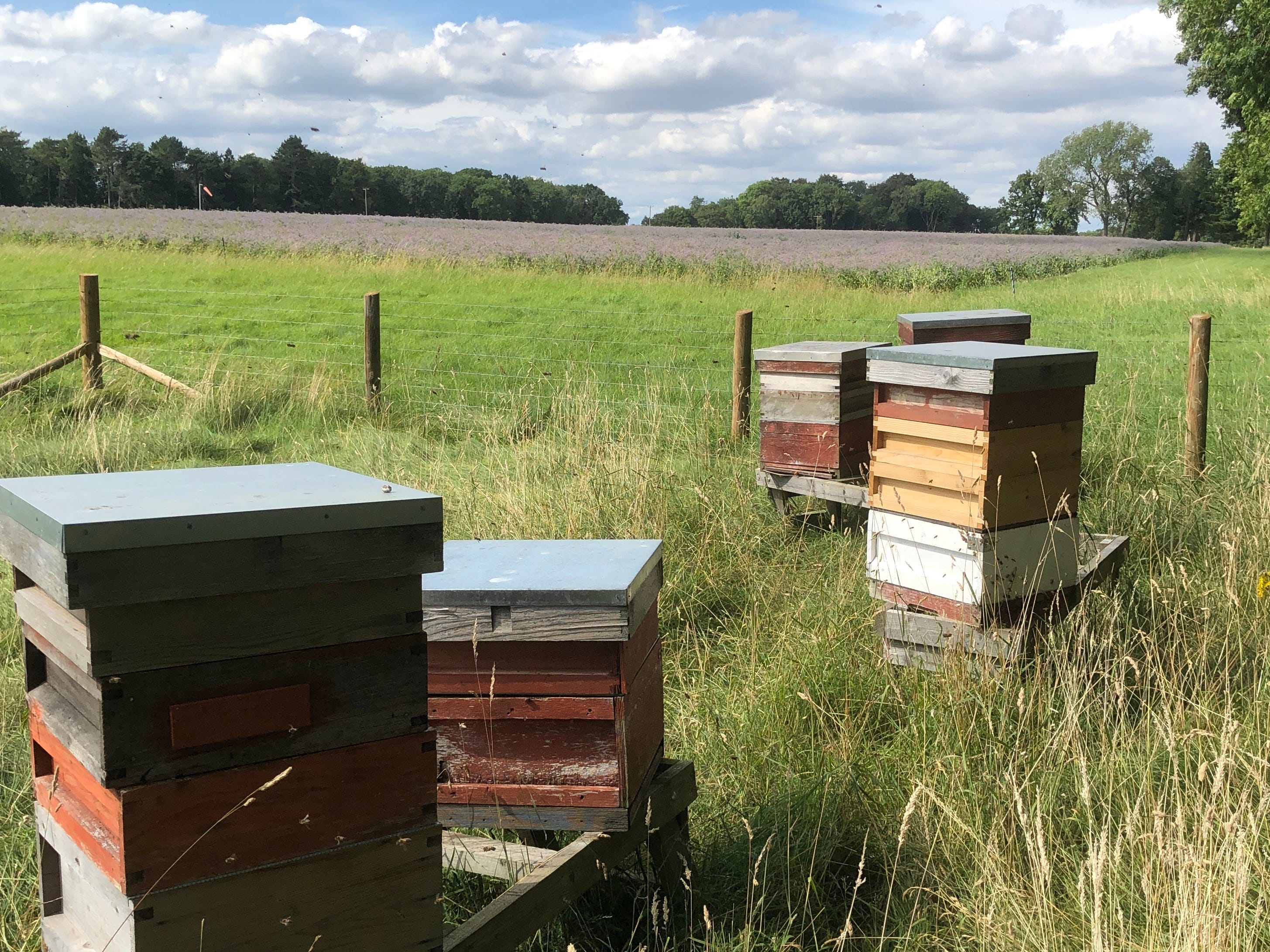
We are making some big changes in 2026 all of which are based around supporting hobby beekeepers. here are some of the changes, and a few teasers for later in the year as well:
In order to make the newsletter a more regular feature of your inbox we are changing the format. Everyone will receive a shorter blog type newsletter once every two weeks on a Wednesday. Paid subscribers will get these plus a full newsletter in the style of this one, once per month.
We are making significant changes to the YouTube channel (see below).
Paid subscribers will also continue to get discounts on our courses and we will be adding some new online courses as we go through the year.
Very soon paid newsletter subscribers will also get access to a new “members area” which will allow them access to free resources including leaflets and checklists.
We will be expanding our teaching apiaries at Batsford Arboretum to include other types of hive and not just the Nationals we have there at the moment. These will feature in our courses and also out YouTube videos.
Even more for the hobby beekeeper, details later, watch this space!
We still have comb honey available (both small and large boxes) although it is disappearing fast. If you want to order some then please pop over to our website BUY COMB HONEY
Course News
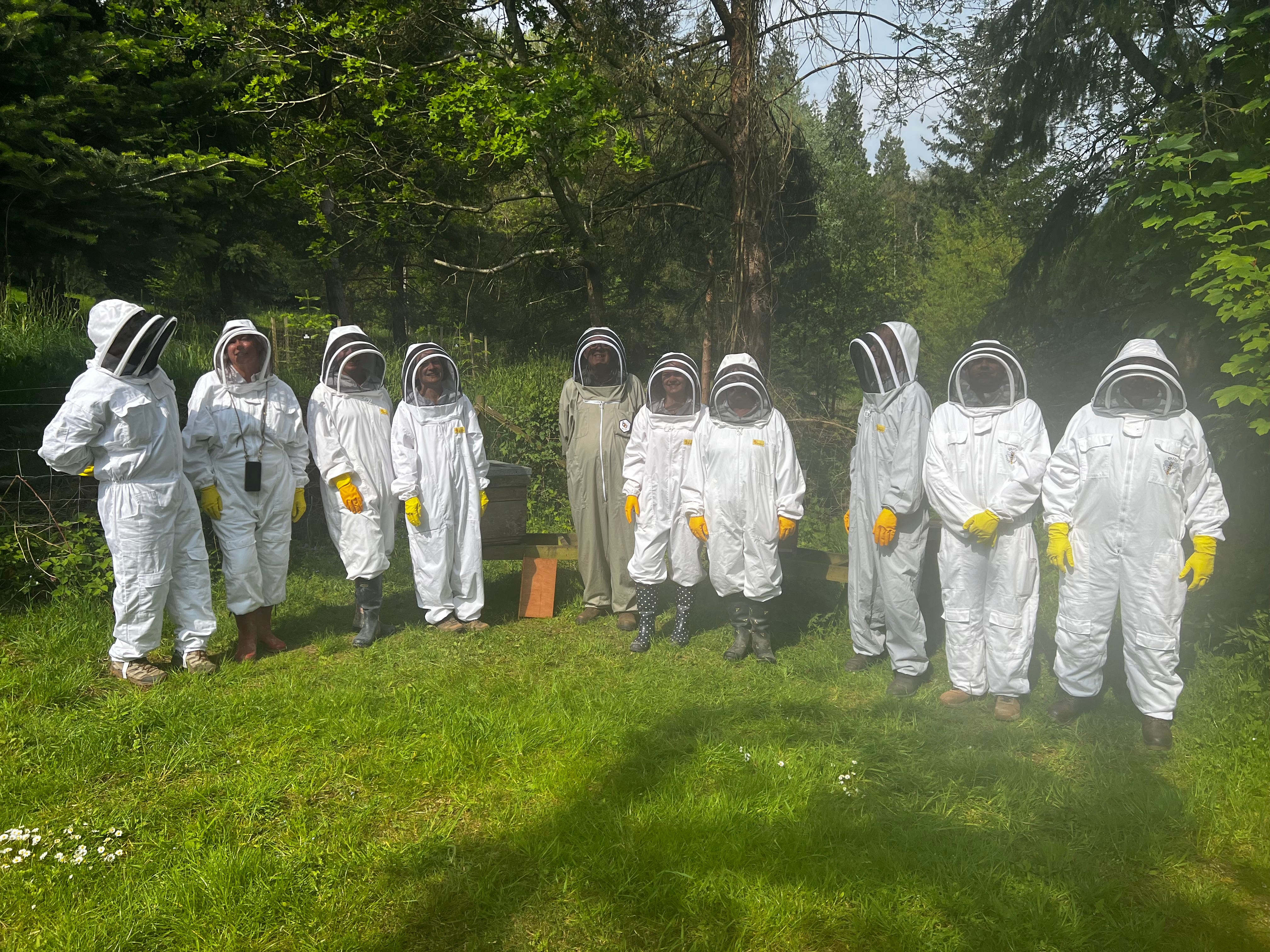
For those of you who are interested in beekeeping or want to top up your knowledge then please give our online courses a try ONLINE COURSES and if you are one of our paid newsletter subscribers please remember to claim your discount.
Our courses will once again be at Batsford Arboretum where we have two teaching apiaries. We now have the dates for the first of the 2026 courses on the website and we are holding our prices the same as for 2025. Places on the early courses are already being taken and so if you want to get on one of the early season courses then please book as soon as you can. If you are one of our paid newsletter subscribers please remember to claim your discount when booking.
If you would like to take up one of those places please contact Denise on denise@cotswoldbees.co.uk or go to our website BEEKEEPING COURSES
The format for our new “Experience Day” has now been finalised. This is designed for anyone who has an interest in bees and honey but does not actually want their own hive. The day is not only based on bees but also includes honey, wax and other products of the hive. The day includes a visit to the bees but is much less technical than the introduction course. It’s ideal for groups up to 5 to 12 people who want a day out with a real difference.
If you are comparing prices please keep in mind that our courses include the use of a bee suit. We are starting to see some cheaper courses appear on the market where you need to bring your own suit. We also include lunch, Carol’s famous flapjacks, biscuits and tea and coffee.
CORPORATE TEAM BUILDING AND LEADERSHIP DAYS
As well as our Introduction To Beekeeping and Experience Day courses we are now able to offer Team Building and also Leadership courses based around bees and the life of the hive. We can do half day, one day and two day courses for up to 20 people. Each course is based around a format, but is bespoke for your company or team, because everyone is different. If you would like more details then please CONTACT us. As well as being super rewarding these days are great fun.
Jobs To Do In The Apiary

Ensure hives have sufficient stores
Check for damage on a regular basis.
In areas of high winds ensure that hives are protected or strapped down.
Make sure your hives are not in an area that floods or gets really damp.
Order any nucs for next season
Order new equipment
YouTube
Please pop over to YOUTUBE for a look and if you enjoy those videos please feel free to suggest any that you would like us to make. We now have just over 10,000 subscribers to our YouTube Channel. If you enjoy the videos but haven’t subscribed yet please do so as it really helps us get our videos noticed.
Our new videos which start early next month are designed for two types of viewer. There will be instructional videos aimed at new and more experienced beekeepers, and for the first time videos related subjects based around bees, beekeeping and the surrounding environment.
We have also signed up to the “Buy Me A Coffee” scheme and so if you want to buy me a coffee to go with the inevitable cake after you have watched the video then thank you in advance. This goes some way to helping with the cost of making the videos.
Bee Buzziness
The Latest Buzz From The Bee World
Asian Hornets In Eastern France & New Zealand - What We Can All Learn From Their Experience.
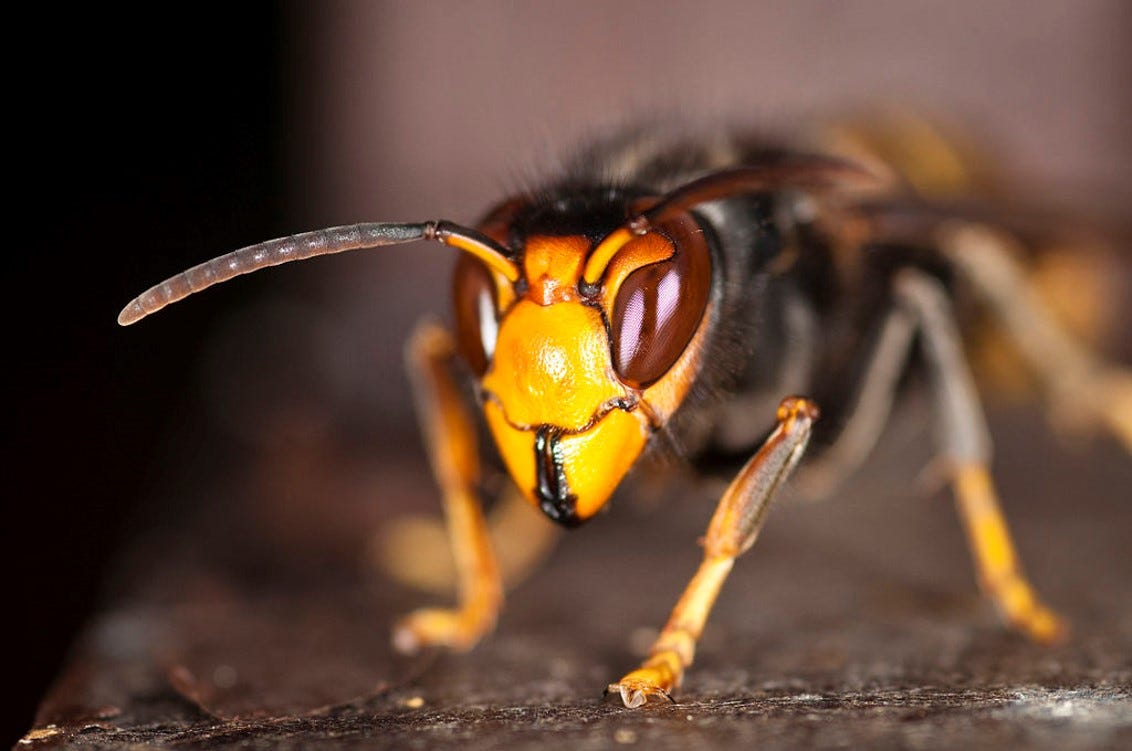
It’s pretty certain that the Asian Hornet has a foothold in the UK, but it is still a relatively small problem for beekeepers here. The same cannot be said in other areas of Europe and especially Eastern France. In Alsace the numbers of Asian Hornets have surged since 2023 and are now decimating local bee colonies, both wild and managed. In 2023 between 15 and 20 nests were found, and just one year later this had increased around fivefold to 100. In 2025, just two years after they were first spotted in this region the number of reported nests exceeded 400. You can easily see where this is going. Their ability to reproduce is phenomenal.
The situation in New Zealand is similar but different. The first Asian hornet was spotted there three months ago, and they are throwing everything at it. A total of 43 queens have been located and destroyed and the contribution from the public has been amazing. So far over 9,500 reports have been sent to the Ministry For Primary Industries showing a level of engagement by the public that we can only dream of. Search teams have been equipped with the means to tie small radio trackers to any hornet found in order to make nest location easier to find, and baiting with Vespex is being used to try to stop new queens and males being produced in the Autumn. In total $12 million Australian dollars have been allocated to the eradication programme. We wish them well in their attempt.
The message for us as beekeepers, and especially for the government, is the cost of dealing with this problem explodes along with the numbers of hornets. It’s not just the reduction in honey production as a result of the destruction of colonies but also the knock on effects in terms of pollination, crop yields and prices. There is also a public health issue which is rarely mentioned. The sting of the Asian hornet is known to be particularly painful and considerably more toxic than our native wasps for example. While individual Asian hornets are not particularly known for their aggression, things are different if they feel that their nest is being disturbed. When this happens they become very defensive and will often attack in groups. The more nests, the more likely this is to happen and multiple stings can be dangerous.
We must try to encourage people to identify Asian hornets and to report them when they see them. The more we can do to stay on top of them now, the easier it will be later. Reporting can either be done via the Asian hornet watch app or by going to the following link: UK Centre For Ecology
Finally, A Request From Us Please
These newsletters are sent to all subscribers free of charge, but if you would like to support us and make a contribution toward the costs of producing them please sign up for a monthly or annual paid subscription. It costs less than a couple of coffees per month and you can unsubscribe at any time. Paid subscribers also get discounts on the price of online courses and some specials. Thank You